Ready When Opportunity Knocks: The Beharry-Amber Lesson for Caribbean Business

Written by: Steven Williams (Originally published in Barbados Today)

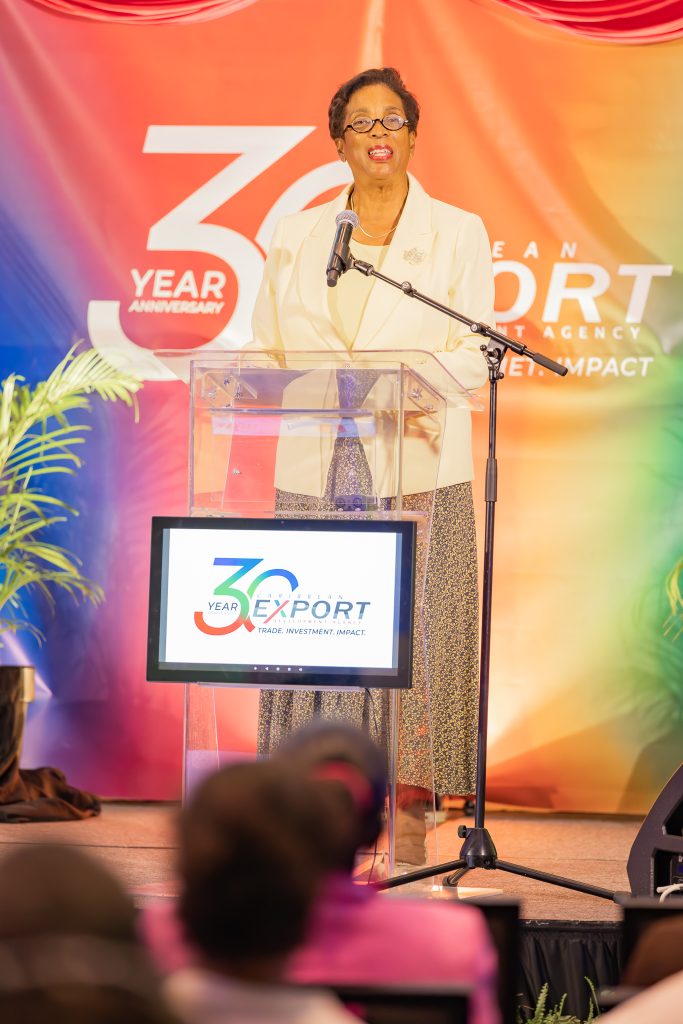
On the evening of Thursday, 16 April, the ballroom at Wyndham Grand Barbados Sam Lord’s Castle filled with the usual faces from across the regional economy: exporters, diplomats, development officials, and beneficiaries. They had gathered to mark thirty years of the Caribbean Export Development Agency and the release of its 2025 Annual Results Report.

It was, by every measure, a good-news evening. The agency reported another year of strong financial recovery, expanded partnerships, and a clear line of sight from the closing 2021-2024 strategic cycle into the 2025-2028 plan that succeeds it.

The keynote fell to Minister Sandra Husbands, who did what ministers on such occasions do well: she celebrated the agency’s track record in real, unfussy terms, acknowledged the European Union’s thirty-year partnership, and positioned Caribbean Export’s work inside the broader regional trade agenda. But she also did something sharper. She pressed the agency to look harder at the skills gap inside Barbados and the region, to move beyond funding and facilitation, and to take on the diagnostic work of identifying where the private sector is actually under-equipped for the economy it says it wants.

It was the right note to strike, and it is the note this column wants to pick up.

Because the more revealing question, for any business owner who was in that room and for the thousands who were not, is not whether Caribbean Export is doing its job. The report makes a confident case that it is. The real question is whether Caribbean enterprises, particularly Barbadian ones, are digitally transformed enough to catch the opportunities now being placed within reach.

The honest answer, in April 2026, is not yet.

The Beharry-Amber moment

The clearest illustration in the report comes from the Caribbean Investment Forum held in Montego Bay in 2025. There, Dushyant Savadia, founder and CEO of Jamaica’s Amber Group, delivered a session on digital transformation and artificial intelligence. In the audience was Anand Harilall, Chief Strategy Officer of Guyana’s Beharry Group, an 87-year-old family-owned conglomerate with interests across multiple strategic sectors.

Having attended every CIF since its inception, Harilall recognised the alignment immediately. Within a month, Savadia was in Guyana. Within weeks, Beharry-Amber Technologies was agreed, a joint venture to deliver advanced technology and cybersecurity solutions across Guyana, Suriname, and the wider Caribbean. Its mandate is twofold: accelerate Beharry’s internal digital transformation and take those services to market across Guyana’s public and private sectors. A flagship AI-powered call centre is already on the drawing board. That is the speed at which regional deals now move when both parties arrive digitally ready.

What “ready” actually means

Nothing about Beharry’s moment was accidental. You do not deliver a minute-and-a-half pitch on technology ambitions unless the strategy is already written. Beharry’s 2030 horizon treats digital transformation as a core pillar of growth, not a line item in the IT budget. Amber, for its part, arrived with a productised AI stack, live reference deployments, and a partner-first operating model that made cross-border collaboration feel like plumbing rather than diplomacy. Two digitally mature organisations met in a room, recognised each other, and moved.

Which raises the uncomfortable diagnostic question Minister Husbands was circling on Thursday evening: what does “digitally mature” actually look like in a Caribbean business in 2026? It looks, in my reading, like six layers sitting on top of one another.

The Identity layer is the foundation a proper domain, a website that is more than a Facebook page, branded email (not a Gmail address on a business card), verified Google Business and LinkedIn profiles, and consistent presence on the channels customers actually use. Without this, a business is invisible to search engines, procurement systems, funding agencies, and regional partners who screen before they shake hands.

The Operations layer is a cloud-first stack. Accounting in QuickBooks or Xero, documents in Microsoft 365 or Google Workspace, HR on SaaS, communications in Teams or Slack held together by an integration fabric of APIs, webhooks and workflows so data moves between systems instead of being re-keyed by a clerk.

The Customer layer is where Caribbean enterprises most often fall short. The digitally transformed business lets its customers find it, transact with it, and support themselves without picking up a phone. Digital payments, online booking or ordering, CRM-tracked relationships, WhatsApp and email and chat on parity. In our region, payment rails and shipping logistics remain real constraints but they are constraints to be designed around, not reasons to opt out.

The Data layer is where Caribbean Export’s own framing AI readiness, innovation, competitiveness starts to bite. The transformed business treats data as an asset, not exhaust: structured transaction and customer data, dashboards that inform decisions, and increasingly AI layered on top, whether for productivity, prediction or retrieval of institutional knowledge. If an enterprise cannot answer “how did we do last month?” in under five minutes, it is not yet operating digitally.

The Trust layer is the one most Caribbean commentary under-covers, and it is the one Harilall himself flagged in the report the region is highly exposed to cyber threats, and private-sector resilience now depends on serious cyber posture: MFA, endpoint protection, tested backups, incident response, alongside a lawful data-protection footing under the Data Protection Act 2019-29 and contractual hygiene with every processor. Without this layer, everything above it is liability waiting to crystallise.

The People layer closes the loop, and it is the layer, Minister Husbands reached for on Thursday evening. Digital skills, remote-capable workflows, and a leadership culture that treats technology as a first-class strategic concern rather than something the “IT guy” handles. The modern digital business does not have a digital transformation project. It has digital fluency as a condition of employment.

Caribbean Export has spent thirty years and this past year with particular intent building the runway. The 2025 report is a catalogue of that work: investment fora that convene capital and ambition in the same room, digital accelerators that link regional firms to European and Latin American partners, co-financing facilities for smart and green investments, capacity-building programmes for MSMEs and women-led enterprises, and a new institutional spine in the Caribbean Digital Transformation Institute. That runway is long, paved, and lit.

But a runway does not fly aircraft. The Beharry-Amber joint venture flew because both organisations had already built the plane. Minister Husbands’ intervention the call for a sharper skills-gap diagnostic was really a call for more Caribbean enterprises to finish building their aircraft while the runway is clear.

In 2026, the competitive Caribbean business is no longer the one with the biggest office, the longest payroll, or the oldest Rolodex. It is the one that can show up in the room physically, digitally, or inside a procurement portal already carrying the six layers. Regional growth capital, cross-border joint ventures, and diaspora markets will keep finding the enterprises that have done that work. The rest will fight over a shrinking domestic pie and wonder where the opportunities went.

Caribbean Export has done its thirty years. The next move belongs to the enterprise.

Caribbean Export Development Agency Releases Annual Results Report 2025 and Celebrates 30 Years of Empowering Regional Businesses

  • Regional agency highly praised by ministers and stakeholders on landmark 30th Anniversary.
  • Caribbean Export celebrated longevity with partners and released 2025 Annual Report.
  • Results Report shows 4,400 business professionals benefitted from 72 programmes last year.

The enduring, powerful, and direct impact of the Caribbean Export Development Agency (Caribbean Export) on thousands of regional business owners was celebrated at an impressive gala event held at the Wyndham Grand Barbados on 16 April 2026.

Local and regional government ministers, international stakeholders, diplomats, and beneficiaries attended the informative and inspirational occasion which jointly recognised the agency’s 30th milestone and featured the fourth iteration of its Annual Results Report.

Guests were entertained by Barbadian saxophonist Zukeli Inniss and sensational teen singer Skky Dowridge ahead of opening remarks by the Chairperson of Caribbean Export’s Board of Directors, Dr Lynette Holder.

In her address, Dr Holder lavished praise on the agency’s ability to continually adapt and adjust which had seen it move from being in the red to the black and take on new development partners alongside the European Union such as the Inter-American Bank, Republic Bank, and the Canadian government.

“Three decades is a significant milestone by any measurement,” Dr Holder said. “For Caribbean Export it represents 30 years of evolving with the needs of our region, supporting enterprises, strengthening export readiness, promoting investment, and helping Caribbean businesses position themselves in an increasingly competitive global economy.”

Focusing on the achievements noted in the 2025 report, Dr Holder stated: “This report for the last fiscal period reflects not just activity but purpose. It speaks to an organisation that continues to sharpen its relevance, strengthen its delivery, and remain focused on impact. It reflects the discipline of an institution that understands the importance of stewardship of resources, partnership, and trust.”

Caribbean Export’s Executive Director, Dr Damie Sinanan, recalled the 20,000 beneficiaries the agency has assisted since it opened it’s office in 1996 through projects cumulatively valued $126m (US), and with $60m (US) in grants awarded. He added: “These are not just statistics they represent a commitment that Caribbean Export has given to the region for 30 years. One that was built on relationships directly with business owners, communities and community leaders and to the belief that the private sector is central to our region’s prosperity, resilience, and future.”

Dr Sinanan also emphasised the agency’s new dedication to dealmaking and investment facilitation which is embodied in its annual flagship ‘Caribbean Investment Forum (CIF)’ event which was held over three days in Jamaica last year. CIF 2025 attracted 400 participants from 39 countries and presented 12 investment-ready projects. In 2026, CIF will take place in Barbados.

Looking ahead, Dr Sinanan invited all the organisations present to continue to join with the agency for the benefit of the region and thanked Caribbean Export’s development partners for their unwavering support.

EU representative, Dr Florian Luetticken, suggested “the best is yet to come” as he underscored the trust that the agency enjoys after partnering with the European Union for so many years. He renewed the EU’s commitment to shared trade, prosperity, and economic growth with the Caribbean.

Counsellor (Development) and Head of Cooperation in the Eastern Caribbean from the High Commission of Canada, Abebech Assefa, explained why Canada is happy to partner with Caribbean Export. “We see strong potential in continuing to work together, supporting entrepreneurs, encouraging innovation, and ensuring that economic growth is shared,” she said.

Barbados’ Minister of Training and Tertiary Education, Sandra Husbands, added her congratulations on the agency’s 30-year milestone as well as the launch of the 2025 Annual Results Report. But she urged Caribbean Export to work more closely with government ministries, especially in terms of equipping young people looking to start their own businesses and leverage new technology. “Our region’s progress depends not only on financing and market access,” Ms Husbands stated, “but it is on developing skills, knowledge, and entrepreneurial confidence that will enable our people to innovate, produce and lead. Institutions like Caribbean Export help to bridge that gap.”


A thought-provoking spoken word segment from award winning poet, Akeem Chandler-Presod aka ‘Stoned with Cupid’ preceded an address from the St Vincent and the Grenadines Minister of Education, Vocational Training, Innovation, Digital Transformation and Information, Philip Jackson, delivered via Zoom. He encouraged entrepreneurs, Caribbean Export and its development partners to continue taking “bold steps” together to realise the Caribbean’s full potential through offering “the best of our regional assets”.

Caribbean Export Launches Caribbean Digital Transformation Institute to Accelerate MSME Competitiveness

The Caribbean Export Development Agency has officially launched the Caribbean Digital Transformation Institute (CDTI), a new regional platform designed to help micro, small and medium-sized enterprises (MSMEs) assess their digital readiness, strengthen their capabilities, and compete more effectively in an increasingly digital global economy.

Supported by the Inter-American Development Bank (IDB) and the Compete Caribbean Partnership Facility, the CDTI, the CDTI has been developed to respond to the growing need for practical, accessible, and data-driven support for Caribbean businesses navigating digital transformation. The platform provides MSMEs with a structured pathway to evaluate their digital maturity, identify gaps, and access targeted learning resources to improve their use of digital technologies across business operations.

At the heart of the platform is the Digital Check-up, an online diagnostic tool that helps firms assess their digital capacity across key business dimensions, including digital technologies, communications and sales channels, organisation and people, data and analytics, strategy and digital transformation, and processes. Based on the results, businesses receive tailored recommendations that can guide their next steps and support more deliberate investment in digitalisation.

The launch also highlighted the CDTI’s e-learning platform, which offers a suite of self-paced courses and learning resources aimed at helping MSMEs strengthen core digital skills, improve online visibility and customer engagement, advance e-commerce readiness, make better use of data, and improve business efficiency through stronger digital processes.

Speaking at the launch, Dr. Lynette Holder, Chairperson of the Caribbean Export Development Agency, underscored the importance of digital transformation for the region’s private sector stressing that “Digital transformation is no longer optional, it’s essential” and that “For the Caribbean this reality carries both urgency and opportunity”.

Dr. Damie Sinanan, Executive Director of Caribbean Export, echoed these sentiments, noting that the “CDTI is a strategic intervention designed to give micro, small and medium-sized enterprises the digital tools, e-commerce capabilities, and operational efficiency they need to thrive.” He also encouraged national business support organisations to play an active role in ensuring that these tools reach entrepreneurs and that they “actively engage with the resources provided.” He added, “We need the collective action of the private sector to truly transform the Caribbean into a globally competitive economic hub.”

Also addressing the event, Sylvia Dohnert, Lead Private Sector Development Specialist at the IDB, reaffirmed the IDB’s commitment to supporting innovation, productivity, and private sector development across the Caribbean – “This Caribbean Digital Transformation Institute was a response to the promise that digital technology offers to Caribbean business, but also the difficulties that businesses in the Caribbean face in digital transformation”.

Kayla Grant, Executive Director of Compete Caribbean, described the initiative as “a powerful regional public good” that “will strengthen the ecosystem supporting MSMEs and help position Caribbean firms to compete, innovate, and grow in the digital global economy.”

Delivering remarks on the significance of digital transformation for the region, Hon. Philip Jackson, Minister of Education, Vocational Training, Innovation, Digital Transformation and Information, St. Vincent and the Grenadines, highlighted the importance of building the digital capacity of Caribbean enterprises to ensure they can thrive in a rapidly evolving economy. He noted that “digital infrastructure and digital public infrastructure are critical to fostering this culture not only among citizens, but also among businesses.” He added that, “as we continue to share data and lessons learned, we are better able to make more informed and strategic decisions that support sustainability.”

The launch of the CDTI marks an important step in Caribbean Export’s continued efforts to build a more resilient, innovative, and competitive private sector. By combining digital diagnostics, practical learning, and regional data insights, the Institute is expected to play an important role in shaping how MSMEs across the Caribbean adapt to technological change and seize new market opportunities.

As Caribbean businesses face increasing pressure to modernise, adopt new tools, and respond to changing customer expectations, initiatives such as the CDTI will be critical in ensuring that MSMEs are not left behind, but are instead equipped to lead in the digital economy.

Watch the full launch here

Caribbean Export Set to Unlock Transformative Climate Finance for the Caribbean Through Green Climate Fund Accreditation

Landmark accreditation positions the Agency as one of only four regional Direct Access Entities in the Caribbean and opens the door to millions in climate finance for transformative private sector investment across the region

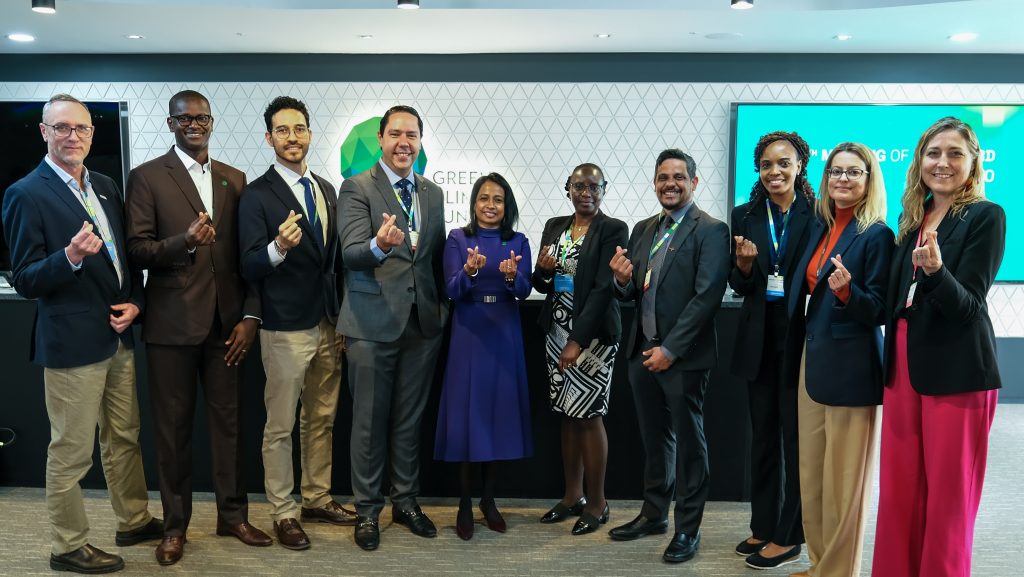
Caribbean Export Development Agency (Caribbean Export) welcomes its accreditation by the Green Climate Fund (GCF), marking a defining moment for the institution, a major achievement for the Caribbean, and a bold new chapter for private sector-led climate action in the region.  In securing this milestone, Caribbean Export becomes one of only four regional Direct Access Entities in the Caribbean accredited by the GCF, a major step that significantly elevates the region’s ability to access, shape, and deploy international climate finance through institutions rooted in Caribbean priorities and realities. 

For Caribbean Export, this is far more than a credential. It is a game-changing platform for action. In its 30th year of operations, the Agency enters this role not as a passive conduit for funding, but as an active regional force with the mandate, private sector expertise, and trusted partnerships to convert climate ambition into investable programmes and projects that can transform businesses and economies across the Caribbean. 

As a regional institution focused on private sector development for the past 30 years, Caribbean Export’s accreditation represents a major breakthrough for the Agency and wider region.  It strengthens its ability to help develop and implement climate-related projects and programmes that respond to the needs of Caribbean countries and businesses. It also positions the Agency to play a stronger role in creating pipelines of investment-ready initiatives that help Caribbean businesses build resilience, modernize operations, adopt cleaner technologies, and compete in a rapidly changing global economy. 

The Green Climate Fund works through Accredited Entities to develop funding proposals and manage projects and programmes that help countries turn climate priorities into action, with financing instruments that can include concessional loans, equity, guarantees, lines of credit, and grant-based capacity building. As a Direct Access Entity, Caribbean Export is now strategically positioned to help open the door to these resources and to crowd in the scale of capital the region has long needed. The opportunity is transformative: to unlock millions of dollars for Caribbean businesses, mobilise new partnerships, and support a new generation of commercially viable climate investments that the region has not previously been positioned to pursue at this level through a regional private sector-focused institution. 

For the Caribbean, where firms and communities face increasing climate-related shocks including stronger hurricanes, drought, coastal erosion, and rising operating costs, accreditation creates a new pathway to structure and scale projects that directly support business resilience and regional transformation. This can include initiatives in renewable energy and energy efficiency, climate-smart agriculture, resilient infrastructure, sustainable tourism, green manufacturing, water security, innovation, and financial instruments that help de-risk private investment. 

Dr. Damie Sinanan, Executive Director of Caribbean Export, said: 

This is a transformative moment for Caribbean Export and for the region we serve. Accreditation to the Green Climate Fund significantly strengthens our ability to support the development of climate finance opportunities for the Caribbean’s private sector, the engine of jobs, innovation and economic growth. It gives us the opportunity to help businesses access the resources they need to adapt, invest, innovate and lead the region’s transition to a more resilient and sustainable future.” 

He added: 

For too long, many Caribbean businesses, particularly MSMEs, have faced major barriers in accessing the scale and type of support required to respond meaningfully to the climate crisis. This milestone opens the door to a new generation of projects and partnerships that can help enterprises invest in clean energy, climate resilience, sustainable production, and stronger value chains. The potential impact for the region is profound.” 

Caribbean Export is the regional trade and investment promotion agency focused on building a resilient Caribbean by delivering high-impact support to the private sector. Its mandate and track record position the Agency to play a catalytic role in identifying and advancing bankable climate-related investments that respond to regional needs while supporting sustainable economic development. 

Achala Abeysinghe, Director of the Green Climate Fund’s Department of Investment Services said: 

We are pleased to welcome the Caribbean Export Development Agency as an Accredited Entity of the Green Climate Fund. This new partnership, with a regional direct access entity, will expand access to climate finance and support private sector development across the small island developing states of the Caribbean.” 

“Partnering with the Caribbean Export Development Agency reinforces GCF’s commitment to collaborate with more regional institutions to increase direct access to climate finance in support of resilient economies. As we move forward, GCF’s revised Accreditation Framework will enable the Fund’s partnership model to become even more transparent, responsive, and efficient, enhancing fairness and country ownership.” 

This development is especially significant because the Green Climate Fund has increasingly emphasized improving access to climate finance and scaling private sector participation, recognizing that private investment is essential to achieving climate-resilient and low-emission development. For the Caribbean, that matters enormously. The region now has an expanded opportunity to move beyond small, fragmented interventions and toward larger, more strategic and more bankable programmes that can channel climate finance to the businesses, sectors, and value chains that need it most.  GCF notes that the private sector has an unparalleled role to play in clean energy, sustainable transport, green infrastructure, and climate-resilient agriculture. 

The next phase is already in sight. Caribbean Export has concepts being prepared and is getting ready to submit them into the GCF process, with a clear focus on building a strong pipeline of high-impact initiatives that can strengthen resilience, improve investment readiness, and expand access to finance for businesses across the region.  

Caribbean Export looks forward to working closely with Caribbean governments, financial institutions, development partners, entrepreneurs, and private sector stakeholders to develop impactful climate projects and programmes that can strengthen resilience, improve investment readiness, and unlock sustainable growth throughout the region. 

This is not simply an institutional milestone. It is a regional opportunity of enormous significance, one that gives the Caribbean a stronger hand in shaping its own climate future and gives businesses a more direct pathway to the resources required to invest, adapt, and grow. 

Caribbean Export Joins the Enterprise Europe Network, Expanding Pathways and Opportunities for Caribbean and European Firms

The Caribbean Export Development Agency (Caribbean Export) has formally joined the Enterprise Europe Network (EEN) as an International Network Partner, strengthening business and innovation ties between the Caribbean and Europe and opening new channels for both European and Caribbean firms to access partnerships, market intelligence, and investment opportunities.

Caribbean Export marked this milestone through participation at the Enterprise Europe Network Annual Conference 2025, held 26–28 November 2025 at the Aalborg Kongres & Kultur Center in Aalborg, Denmark, where the Agency engaged EEN partners and stakeholders from across the globe to establish strategic linkages that will translate into concrete opportunities for enterprises from both geographic regions.

The EEN is widely recognised as the world’s largest support network for small and medium-sized enterprises (SMEs) with international ambitions, connecting business support organisations and experts to help companies innovate, scale, and grow across borders.

A stronger bridge between Caribbean businesses and Europe

As the regional trade and investment promotion agency for the 15 CARIFORUM member states, Caribbean Export’s participation in the EEN is designed to expand practical support to Caribbean SMEs and startups seeking to internationalise, particularly into Europe, while also helping European companies identify credible partners and investment opportunities in the Caribbean.

This two-way relationship means that European firms will also benefit from more structured access to the Caribbean market. Through Caribbean Export and the EEN, European companies will be able to connect with vetted Caribbean partners and suppliers, explore nearshoring opportunities, and identify pipeline projects in high-potential sectors such as renewable energy, sustainable tourism, agribusiness and the digital economy. They will be supported with tailored partner searches, sector briefings, and facilitated B2B engagements that reduce risk and shorten the time it takes to build reliable, long-term business relationships in the region.

Dr. Damie Sinanan, Executive Director of Caribbean Export, who attended the conference alongside Wayne Elliott, Manager Technical Programmes, noted that joining the Network is about converting relationships into results:

“This partnership places Caribbean firms closer to European buyers, investors, and innovation partners. Through the Enterprise Europe Network, we will accelerate business matchmaking, strengthen export readiness, and drive new collaborations that help Caribbean companies compete and win in global markets.”

What joining the EEN means for the Caribbean’s private sector

Membership in the EEN gives Caribbean Export and its stakeholders access to a structured platform that supports companies at every step of their internationalisation journey. For Caribbean firms, this translates into:

  • Business matchmaking and partner searches to connect Caribbean companies with European buyers, distributors, technology providers, and collaborators.
  • Market intelligence and advisory support to help firms navigate standards, regulations, and market entry requirements—particularly for the EU Single Market.
  • Support to leverage the EU–CARIFORUM Economic Partnership Agreement (EPA) by strengthening firms’ understanding of practical trade facilitation considerations and export strategy.
  • Innovation, sustainability, and digitalisation support, helping SMEs adopt stronger business models, greener production methods, and digital tools that improve competitiveness.
  • Investment promotion linkages, positioning the Caribbean as an attractive destination for European investment—especially in priority areas such as sustainable agriculture, renewable energy, and the digital economy.

How Caribbean Export will deliver EEN services in the region

To ensure equitable reach across the region, Caribbean Export will implement a “hub-and-spoke” delivery model, coordinating regionally while working with national business support organisations, chambers of commerce, and sector partners to take services closer to firms in every CARIFORUM country.

Caribbean Export will also help local businesses develop and promote partnership profiles through EEN channels, and will co-create missions, events, and B2B engagements aligned with the region’s priorities, including agri-food, renewable energy, and digital transformation.

On the European side, the Agency will collaborate with EEN partner organisations to design joint activities, share market intelligence, and support companies seeking to establish or deepen their presence in the Caribbean.

A catalyst for trade, investment and resilience

In a global environment where SMEs face rising costs, new regulatory requirements and rapid technological change, the Caribbean’s competitiveness depends on its ability to connect, innovate and scale. Joining the Enterprise Europe Network is expected to:

  • Increase export opportunities through better buyer discovery, improved compliance, and stronger market entry strategies.
  • Attract quality investment by showcasing bankable Caribbean opportunities and facilitating investor engagement.
  • Build innovation partnerships that support new products, improved production methods, and technology adoption suited to small island and developing economies.
  • Improve SME resilience and competitiveness, especially for women- and youth-led enterprises and businesses in smaller territories.

For European partners, the relationship also offers a pathway to diversify sourcing, expand into dynamic emerging markets, and collaborate on solutions that advance shared priorities such as climate resilience, digital transformation and sustainable growth.

Ultimately, the partnership is about more than numbers. It is about embedding Caribbean businesses into global value chains in a way that creates jobs, builds skills, and supports a more resilient and sustainable regional economy.

Caribbean Export and Boost Acceleration Camp Sign Strategic MOU to Strengthen Entrepreneurship and Innovation in the Dominican Republic and the Caribbean

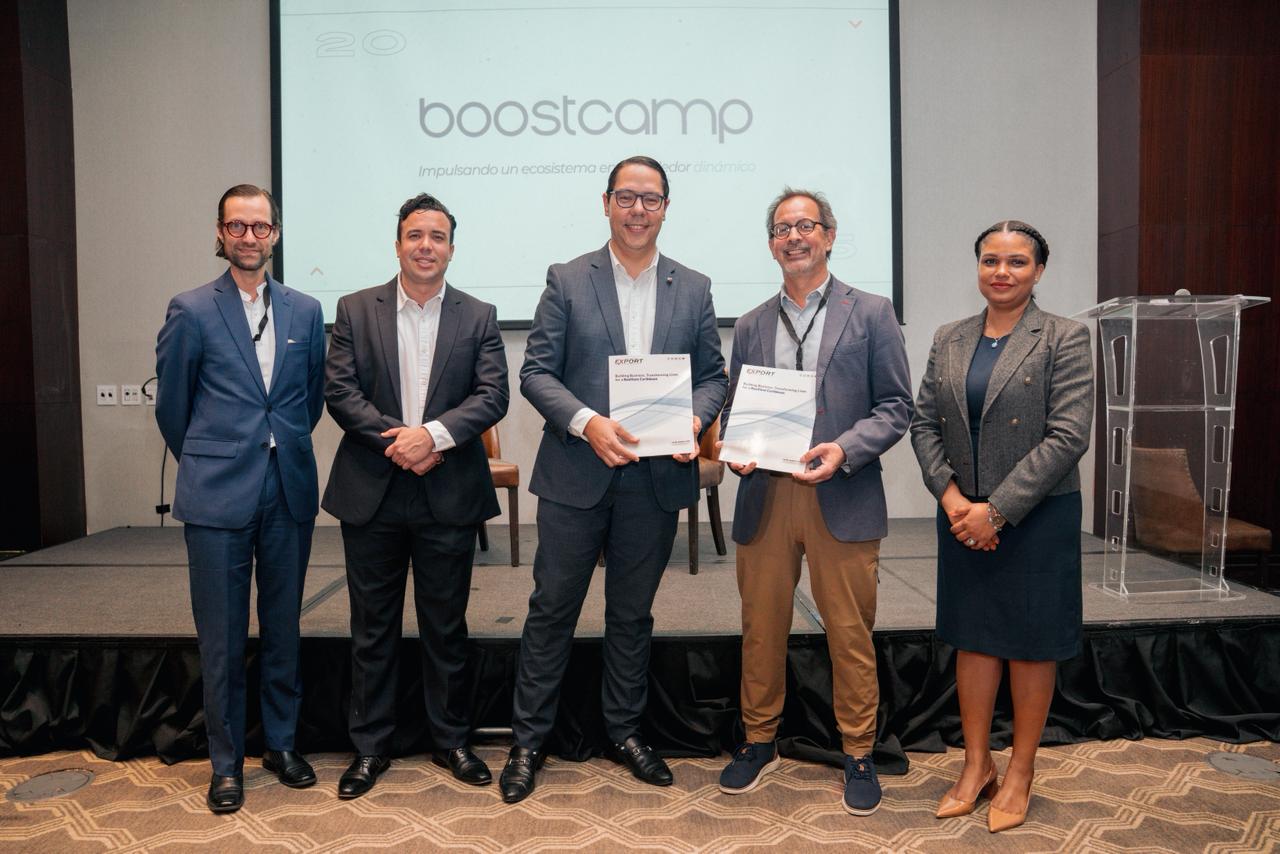
Caribbean Export Development Agency (Caribbean Export), in representation of the EU-LAC Digital Accelerator, and Boost Acceleration Camp officially signed a Memorandum of Understanding (MOU) today, marking a significant step toward advancing entrepreneurship, innovation, and private sector development across the Dominican Republic and the wider Caribbean. The signing took place in Santo Domingo as part of the yearly Boostcamp 2025, an event bringing founders, corporate and investors from the Dominican Republic, Latin America and the rest of the Caribbean to forge partnerships and develop collaborative opportunities. This year Boostcamp 2025 was organised as part of the wider programming that took place in the Dominican Republic for Global Entrepreneurship Week 2025.

Under this new partnership, Caribbean Export and the other partners of the EU-LAC Digital Accelerator will work with Boost AC to enable startups and corporates in the Dominican Republic to participate in the EU-LAC Digital Accelerator. Additionally, these organisations will work on expanding access to finance, mentorship, market opportunities, and technical support for micro, small, and medium-sized enterprises (MSMEs), including high-growth startups, youth-led and women-led ventures, and innovation-driven firms seeking to scale regionally and internationally.

The MOU establishes a framework for cooperation across several key areas, including:

  • Collaboration under the EU-LAC Digital Accelerator, an initiative funded by the European Union that promotes bi-regional partnerships between startups and corporates in Europe, Latin America, and the Caribbean.
  • Entrepreneurial and startup acceleration, through joint events such as pitch competitions, innovation challenges, hackathons, and business development programmes.
  • Pipeline development and ecosystem strengthening, supporting the identification and preparation of promising MSMEs and startups.
  • Capacity building, with training focused on export readiness, digital transformation, green innovation, scaling, and investor preparation.
  • Access to finance and investor linkages, leveraging both organizations’ networks of angel investors, corporate partners, development institutions, and early-stage funds.
  • Support for corporate–startup collaboration, catalysing innovation by connecting enterprises with business challenges and technology-driven solutions.

Speaking at the signing ceremony, Leo Naut, Deputy Executive Director of Caribbean Export and representative of the EU-LAC Digital Accelerator noted:

“This partnership reinforces our ongoing commitment to build a resilient and globally competitive Caribbean private sector. By working together with Boost AC, especially in initiatives such as the EU-LAC Digital Accelerator, we can strengthen the pipeline of innovation-driven enterprises, support more Dominican and Caribbean startups to scale across borders, and create greater opportunities for access to finance, technology, and new markets.”

Boost Acceleration Camp highlighted the strategic value of the alliance, particularly for early-stage ventures aiming to accelerate growth and expand regionally.

“This collaboration with Caribbean Export allows us to amplify the support we offer to founders and innovators, while positioning the Dominican Republic as a gateway for startup expansion across the Caribbean,” emphasized Santiago Camarena, President of the Board of Directors, Boost AC.

Both institutions affirmed that the partnership reflects a broader vision to enhance competitiveness, foster digital and green transformation, and promote inclusive economic growth across the region.

The MOU enters into force on the day of signature and will guide joint initiatives over the next two years.

Connecting Markets, Empowering Futures: Caribbean Export at ACSIS 2025

The Caribbean Export Development Agency (Caribbean Export) joined regional and international partners at the African Caribbean Sustainability & Investment Summit (ACSIS 2025), held from November 21–22, 2025, at Queen’s Gate House in London, UK. The two-day summit, themed “Empowering Futures: Uniting Africa and the Caribbean through Sustainable Innovation and Inclusive Growth,” brought together policymakers, business leaders, investors, and innovators from both regions to advance trade, technology, and investment collaboration.

Representing Caribbean Export, Dr. Damie Sinanan, Executive Director, delivered a keynote address titled “Tech-Driven Transformation: Bridging Africa and the Caribbean Through Innovation and Investment” on the opening day of the Summit. In his remarks, Dr. Sinanan underscored the shared economic challenges and opportunities facing developing regions and highlighted digital transformation as a pivotal tool to drive resilience, competitiveness, and sustainable growth across Africa and the Caribbean.

“Africa and the Caribbean have all the ingredients to redefine the global narrative for developing regions — not as passive participants, but as dynamic co-creators of a new digital frontier,” Dr. Sinanan stated. “Our shared history gives us connection, but it is our shared innovation that must give us momentum.”

During his address, Dr. Sinanan showcased Caribbean Export’s 2025–2028 Strategic Plan, which focuses on improving MSME competitiveness, expanding market access, and promoting regional integration and investment.

He emphasized the agency’s six active economic development programmes valued at USD 20 million, which have already supported nearly 1,000 business professionals in 2024 alone.

Dr. Sinanan also presented the Caribbean Investment Forum (CIF) as a key vehicle to strengthen Africa-Caribbean trade and investment ties. He highlighted CIF’s evolution into the Caribbean’s premier investment platform — with over 2,000 delegates from 50 countries and USD 350 million in showcased projects — and invited partners to participate in the 2026 edition to be held in Barbados.

Among the transformative areas of cooperation identified were FinTech, digital entrepreneurship, logistics innovation, green energy, and smart agriculture. Dr. Sinanan cited success stories such as Ghana’s ZeePay expansion into Barbados and the Caribbean’s WiPay operations in Ghana as examples of mutually beneficial digital collaboration.

ACSIS 2025, sponsored by Afreximbank and held in partnership with the African Union, the Organisation of Eastern Caribbean States (OECS), and Caribbean Export, served as a dynamic platform for connecting investors with high-potential projects in both regions.

The Summit reinforced the growing momentum for Africa-Caribbean partnerships that advance inclusive economic development through sustainable innovation.

Caribbean Export showcases the EU-LAC Digital Accelerator at Boostcamp 2025 – Founders Day

The Caribbean Export Development Agency, representing the EU-LAC Digital Accelerator, participated in Boostcamp 2025 Founders’ Day, an initiative organized by Boost Acceleration Camp, one of Dominican Republic’s most prominent startup accelerators. In its first day, the event placed the spotlight in the startup community and amassed more than 100 founders, entrepreneurs, and innovation leaders from the Dominican Republic, Central America, and the Caribbean. Under the banner of “Growth Edition” Boostcamp 2025 focused on providing a full day of training, networking, and investment-readiness activities for the bustling startup community in the DR and the wider Latin American and Caribbean region.

Kicking off Caribbean Export’s intervention the agenda was Damie Sinanan, Executive Director, who underscored the importance of entrepreneurship, digital transformation, and expanded access to finance—key themes aligned with his broader Boostcamp message. “The Caribbean’s entrepreneurs are shaping the region’s next stage of economic growth,” said Dr. Sinanan. “By strengthening digital capabilities, improving access to finance, and forging new cross-regional partnerships, we are helping our startups scale, innovate, and compete on the global stage.”

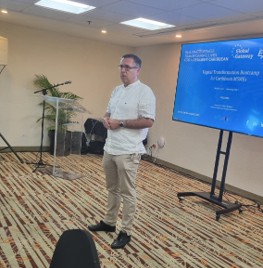
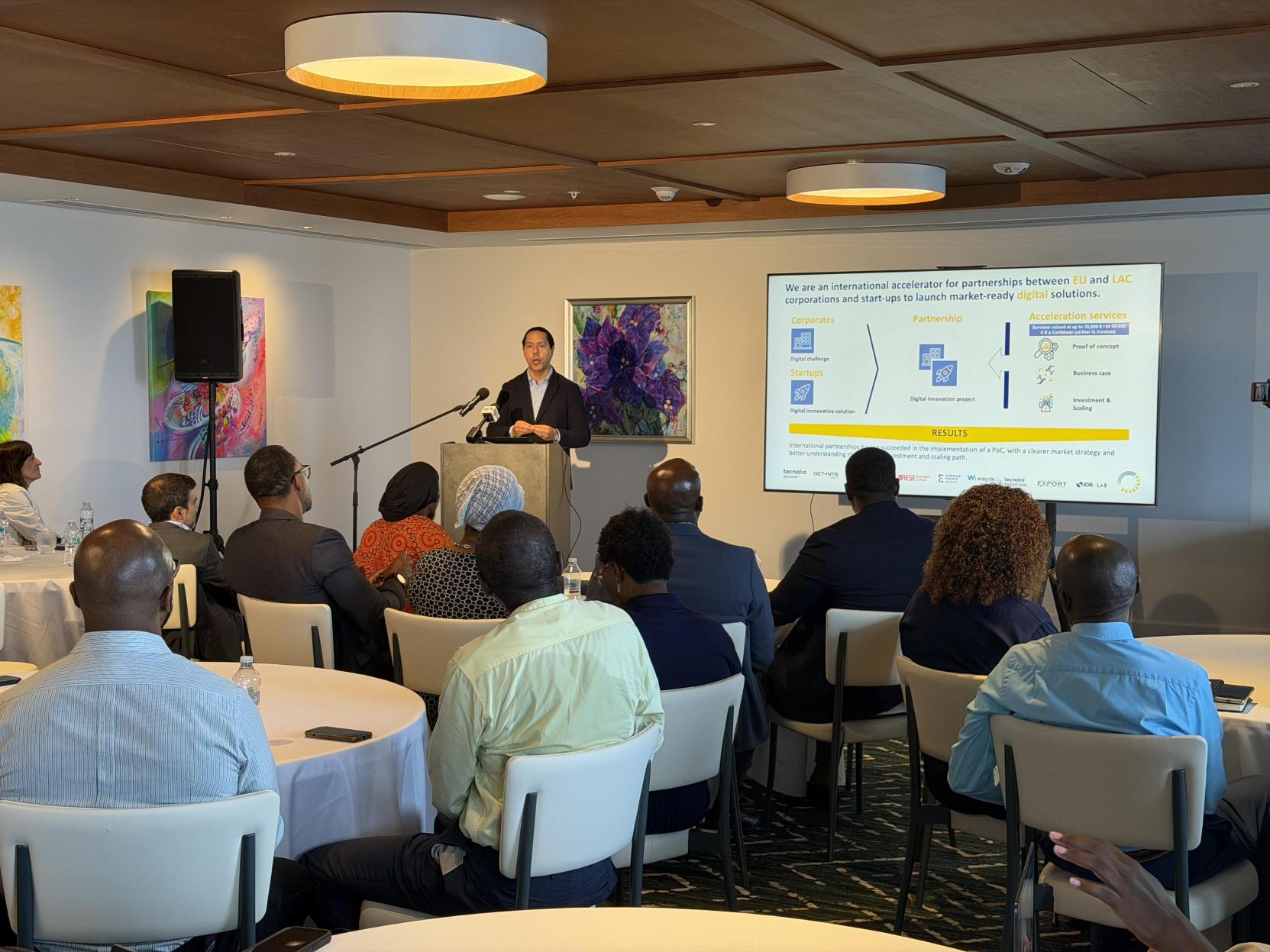
The cornerstone of this activation was the presentation of the EU-LAC Digital Accelerator, a programme financed by the European Union under the Global Gateway Investment Agenda and implemented by an international consortium led by Tecnalia and supported regionally by Caribbean Export. Leo Naut, Deputy Executive Director, explained how the EU-LAC Digital Accelerator creates pathways for startups to collaborate directly with corporates across Europe and Latin America, co-develop digital solutions, and access new international markets through structured open innovation processes.

This Founders’ Day is part of a broader two-day Boostcamp 2025 programme, which also includes Investors & Corporates Day on November 27. Caribbean Export will represent the EU-LAC Digital Accelerator in this Investors & Corporates Day by moderating a panel with top Dominican corporates on corporate venturing, open innovation, and opportunities for startup-corporate collaboration.

Caribbean Export Hosts Live Startup Clinic During Founders Day

As part of its participation, Caribbean Export also hosted a live Startup Clinic, where the EU-LAC Digital Accelerator programme team held one-on-one meetings with local startups, led by Michelle Aybar, Technical Officer for EU-LAC Programmes and Leo Naut, Deputy Executive Director, who also serves as Programme Manager for the Accelerator at Caribbean Export. These sessions enabled startups to provide deeper insights into their capabilities to the Digital Accelerator team with the aim to connect with current corporate innovation challenges that are live within the programme. With this deeper engagement, the Digital Accelerator team at Caribbean Export aims to assist and provide the adequate support to startups to identify the actual business opportunities with corporates across the EU-LAC network.

Caribbean Export Showcases the EU-LAC Social Accelerator Programme at the Social Entrepreneurship Symposium 2025


The Caribbean Export Development Agency participated in the 2025 Social Entrepreneurship Symposium, with a delegation composed of Dr. Damie Sinanan, Executive Director; Wayne Elliott, Manager of Technical Programmes; Michelle Aybar, Technical Officer of EU-LAC Programmes; and Leo Naut, Deputy Executive Director, who represented the Agency during the opening of this important regional event.

The Symposium is organized by El Hueco Caribe, in collaboration with the Ministry of Industry, Commerce and MSMEs (MICM) and the Universidad Iberoamericana (UNIBE). The event forms part of Global Entrepreneurship Week and gathers social entrepreneurs, public and private sector representatives, academia, and international cooperation agencies to strengthen the social innovation ecosystem across the Dominican Republic and the Caribbean.

Held under the theme “Linking the Impact Ecosystem,” the Symposium provides a regional platform to advance inclusive innovation, promote collaboration, and highlight initiatives that foster social and economic transformation.

EU-LAC Social Accelerator Presentation

As part of the launch of the National Registry of Social Entrepreneurs (RNES), Mr. Leo Naut delivered an institutional presentation on Caribbean Export’s mandate, outlining the Agency’s ongoing work to support innovation, competitiveness, and private sector development in the Caribbean.

During his remarks, Mr. Naut introduced the EU-LAC Social Accelerator, a flagship programme implemented by Caribbean Export and funded by the European Union under the Global Gateway    Investment Agenda.

The EU-LAC Social Accelerator seeks to foster social innovation across Europe, Latin America and the Caribbean by strengthening ecosystem capacities, promoting impactful projects, and supporting a fair, inclusive, and responsible green and digital transition.

The programme is led by CAINCO (Bolivia) and implemented by a consortium of international partners, including:

Together, these partners collaborate to build and strengthen social innovation ecosystems through the provision of technical assistance and capacity building that supports the development of regional social labs. These labs will create spaces for cocreation and prototyping of solutions. Complementing these efforts will be the preparation of actionable roadmaps designed to address the needs and challenges of social innovators across the region as they work to  solve social and environmental issues affecting our citizens.

The initiative places strong emphasis on empowering women, youth, and vulnerable groups, and providing financial and technical support to organizations working on transformative, community-focused innovations.

“Innovation becomes powerful when it is inclusive. What we are building with the EU LAC Social Accelerator, with the European Union and our implementing partners, is a platform where women, youth and vulnerable communities can shape solutions, access opportunities and create the Caribbean of the future. ” stated Leo Naut, Deputy Executive Director of Caribbean Export.

Caribbean Export’s Commitment

Caribbean Export’s participation underscores its continued commitment to building a more innovative, inclusive and sustainable Caribbean private sector. Through the strategic direction set out in its 2025 to 2028 plan, the Agency is focused on positioning the Caribbean as a leader in smart growth, deepening partnerships that mobilise resources, and developing investment ready projects that create real opportunities for our firms. Supported by collaborative initiatives and EU funded programmes, Caribbean Export remains devoted to strengthening regional competitiveness and resilience while ensuring that development efforts translate into meaningful social impact for the people and communities of the Caribbean.

When Women Thrive, Nations Advance: GRIT Launches in Belize to Unlock an Untapped Engine of Growth

The Caribbean Export Development Agency (Caribbean Export), in partnership with Global Affairs Canada (GAC) and BELTRAIDE, officially launched the Caribbean Women Entrepreneurs Generating Resilient and Inclusive Trade (GRIT) initiative in Belize on November 12, 2025 — marking another milestone in the regional movement to empower women entrepreneurs and transform Caribbean trade.

Held at the Grand Residences & Resort in Belize City, the launch brought together representatives from government, business, and civil society to celebrate a shared vision — one where women-led enterprises are not only creating products but also shaping purpose-driven growth across the Caribbean.

Empowering Women, Transforming Trade

The GRIT project is a four-year, CAD $3.16 million initiative funded by the Government of Canada and implemented by Caribbean Export. It aims to strengthen the export capacity of women-led businesses across six Caribbean countries — Belize, Dominica, Grenada, Jamaica, Saint Lucia, and Saint Vincent and the Grenadines — by improving access to trade intelligence, resources, and international market opportunities.

Through GRIT, women entrepreneurs will benefit from technical assistance, training, digital transformation support, matching grants, and export readiness guidance, enabling them to compete more effectively in regional and global markets, including Canada.

Wayne Elliott, Manager of Technical Programmes at Caribbean Export, highlighted the transformational reach of the initiative, noting:
“GRIT is about meeting women where they are. It will directly support 800 entrepreneurs and indirectly impact more than 10,000 women across the Caribbean. We’ve already completed activations in Saint Lucia and Dominica, and with Belize now underway, we are preparing to expand to the remaining countries early next year. It’s crucial that we engage women within their own communities, so the support offered truly reflects their needs and ambitions.”

Mr. Ishmael Quiroz, Executive Director of BELTRAIDE, highlighted the agency’s long-standing commitment to advancing women in trade, stating:
“You are not waiting for opportunity. You are creating it. We are here to ensure the system meets your ambition. BELTRAIDE stands with you. EXPORTBelize stands with you. And through GRIT, the region stands with you.”

Partnership for Inclusive Growth

Representatives from key government ministries reaffirmed Belize’s commitment to inclusive, gender-responsive economic transformation — a cornerstone of the nation’s development strategy.

Narda Garcia, Chief Executive Officer in the Office of the Prime Minister and Ministries of Investment and Civil Aviation, emphasized that women’s economic empowerment is central to Belize’s development agenda and not a peripheral concern. She stated:
“Gender equality is not a social welfare project; it is a macroeconomic imperative. The full and equal participation of women in our economy is the single most significant untapped resource we have for driving sustainable growth, building resilience, and creating a more prosperous future for all.”

Carlos Pol, Chief Executive Officer in the Ministry of Economic Transformation, underscored the economic urgency of strengthening women’s participation in trade and entrepreneurship. He emphasized that empowering women is not only a social imperative but a national economic necessity, stating:
“According to the IMF, increasing women’s labour force participation could possibly raise GDP levels by 23 percent. That is no small contribution. We must understand that depriving women of the services they need to grow their businesses and themselves means that we are also depriving the country of significant economic growth.”

Adele Catzim-Sanchez, Chief Executive Officer in the Ministry of Human Development, Family Support and Gender Affairs, emphasized the national importance of GRIT’s mission and the transformative power of women’s participation in trade. She noted:
“This Project recognizes that when women thrive, families thrive, communities prosper, and nations advance.”

She further highlighted how GRIT aligns seamlessly with Belize’s long-term development frameworks, adding:
“Women’s economic empowerment is not a side agenda. It is central to national development, to achieving the goals of Plan Belize, and to realizing the vision of our National Gender Policy.”

Their remarks underscored the role of women as economic drivers and innovators in Belize’s future — and the importance of collaborative partnerships like GRIT in bridging gaps and creating sustainable pathways for women in trade.

From Vision to Venture

The event featured a fireside chat with two of Belize’s most dynamic women entrepreneurs — Wilana Oldman, CEO of Hot Mama’s Belize, and Nefretery Marin, CEO of Ostrich Organic Farm and Barzakh Falah Farms & Craft — who shared their experiences of navigating export markets, scaling businesses, and leading with creativity and resilience.
Their stories embodied the spirit of GRIT — courage, persistence, and purpose — inspiring attendees to see entrepreneurship not only as business but as a form of nation-building.

Canada’s Commitment to Inclusive Trade

Through GRIT, Global Affairs Canada and Caribbean Export continue to advance gender-responsive trade practices that ensure women entrepreneurs across CARIFORUM states can fully participate in and benefit from trade opportunities. The initiative is part of Canada’s broader commitment to inclusive economic growth, climate resilience, and women’s empowerment across the Caribbean.

New GRIT Initiative Ignites Opportunities for Women Entrepreneurs in Dominica

A bold new chapter for women in Caribbean trade began yesterday, November 6, 2025, in Dominica as the Caribbean Export Development Agency (Caribbean Export), in collaboration with Global Affairs Canada (GAC), unveiled GRIT – Caribbean Women Entrepreneurs Generating Resilient and Inclusive Trade at Barana Aute in the Kalinago Territory. The event was held under the patronage of Her Excellency Sylvanie Burton, D.A.H., President of the Commonwealth of Dominica.

The programme aims to transform the regional business landscape by helping women-led enterprises navigate barriers to trade, scale their impact, and sustain growth through green transition, digital transformation, and expanded market access.

The launch event brought together representatives from the Government of the Commonwealth of Dominica, the Government of Canada, the Dominica Export Import Agency (DEXIA), and women entrepreneurs from across the island – all united by a shared commitment to advancing women’s economic empowerment and inclusive growth.

Empowering Women in Trade

“Initiatives like GRIT are not only about empowering women, but they are also about shaping the future of Caribbean trade. A future where our businesses, particularly MSMEs, are positioned to navigate global complexities and seize opportunities in diversified markets,” said Dr. Damie Sinanan, Executive Director of the Caribbean Export Development Agency.

Representing the Government of Canada, H.E. Brenda Wills, High Commissioner of Canada to Barbados and the Eastern Caribbean, reaffirmed Canada’s commitment to advancing gender equality and supporting inclusive growth across the region stating: “Trade can be a powerful catalyst for inclusive growth”. She continued: “Canada strongly supports inclusive trade—where the benefits of economic opportunity are shared equitably among youth, Indigenous peoples, and women. We believe this is essential for building resilience and sustainability.”

In her welcome remarks, Chief Anette Thomas Sanford, Chief of the Kalinago Territory, underscored the importance of empowering indigenous and women entrepreneurs to lead local economic development.

Meanwhile Ms. Paula Platsko, General Manager of DEXIA, highlighted the importance of collaboration in enhancing trade opportunities for women across Dominica and the wider Caribbean.

GRIT Programme Overview

Wayne Elliott, Manager of Technical Programmes at Caribbean Export, presented an overview of the GRIT programme, detailing how it supports women-owned businesses through technical assistance, market intelligence, and trade facilitation. With CAD $3.16 million in funding from the Government of Canada, GRIT is a four-year initiative aimed at boosting women’s participation in export markets — particularly to Canada — by providing resources, training, and business linkages across Dominica, Belize, Grenada, Jamaica, Saint Lucia, and Saint Vincent and the Grenadines.

Keynote and Fireside Conversations

Delivering the Keynote Address, Hon. Cozier Frederick, Minister for Environment, Rural Modernisation, Kalinago Upliftment and Constituency Empowerment, emphasized that empowering women entrepreneurs is critical to achieving resilient and sustainable development in Dominica. “The story of Dominica’s progress cannot be told without honoring the women of the Kalinago Territory — the first women of this land, whose resilience, skill, and wisdom have quietly shaped the nation’s character and development for centuries,” said Minister Frederick.

The keynote address was followed by a Fireside Chat, featuring Dominican women entrepreneurs Lana Athanaze, CEO of Éclat Nova Luxuries, and Natasha Green, of Tilou Kanawa Restaurant & Artisan Brand. The engaging discussion explored the challenges, creativity and resilience of women leading businesses in the creative industries.

The GRIT launch marks another step forward in the country’s journey toward inclusive and sustainable trade. Through collaboration between Caribbean Export, Global Affairs Canada, and national trade agencies like DEXIA, the initiative is set to open new doors for women entrepreneurs — turning ambition into opportunity and potential into progress.

Deadline Extended: BRIDGE Grant Programme Applications Now Due December 2, 2025 

Caribbean Export Development Agency (Caribbean Export) has extended the application deadline for the BRIDGE Grant Programme to Tuesday, December 2, 2025, at 4:30 p.m. AST

This decision follows the widespread disruptions caused by Hurricane Melissa, which brought severe weather conditions and extensive power and internet outages across several Caribbean states. These challenges significantly affected businesses’ and entrepreneurs’ ability to complete their applications on time. 

Caribbean Export stands in solidarity with all those affected by the hurricane and remains committed to ensuring that private sector firms across the region have equitable access to this important funding opportunity. 

The extension provides additional time for applicants to finalize their submissions and ensures that no one is disadvantaged due to circumstances beyond their control. 

Hurricane Melissa also serves as a reminder of the growing impacts of climate change and the urgent need to strengthen the region’s resilience. Caribbean Export continues to support the Caribbean private sector with the tools, resources, and partnerships necessary to build resilience and accelerate the transition to a green economy. 

For more information on the BRIDGE Grant Programme and how to apply, please visit www.carib-export.com/opportunties/.