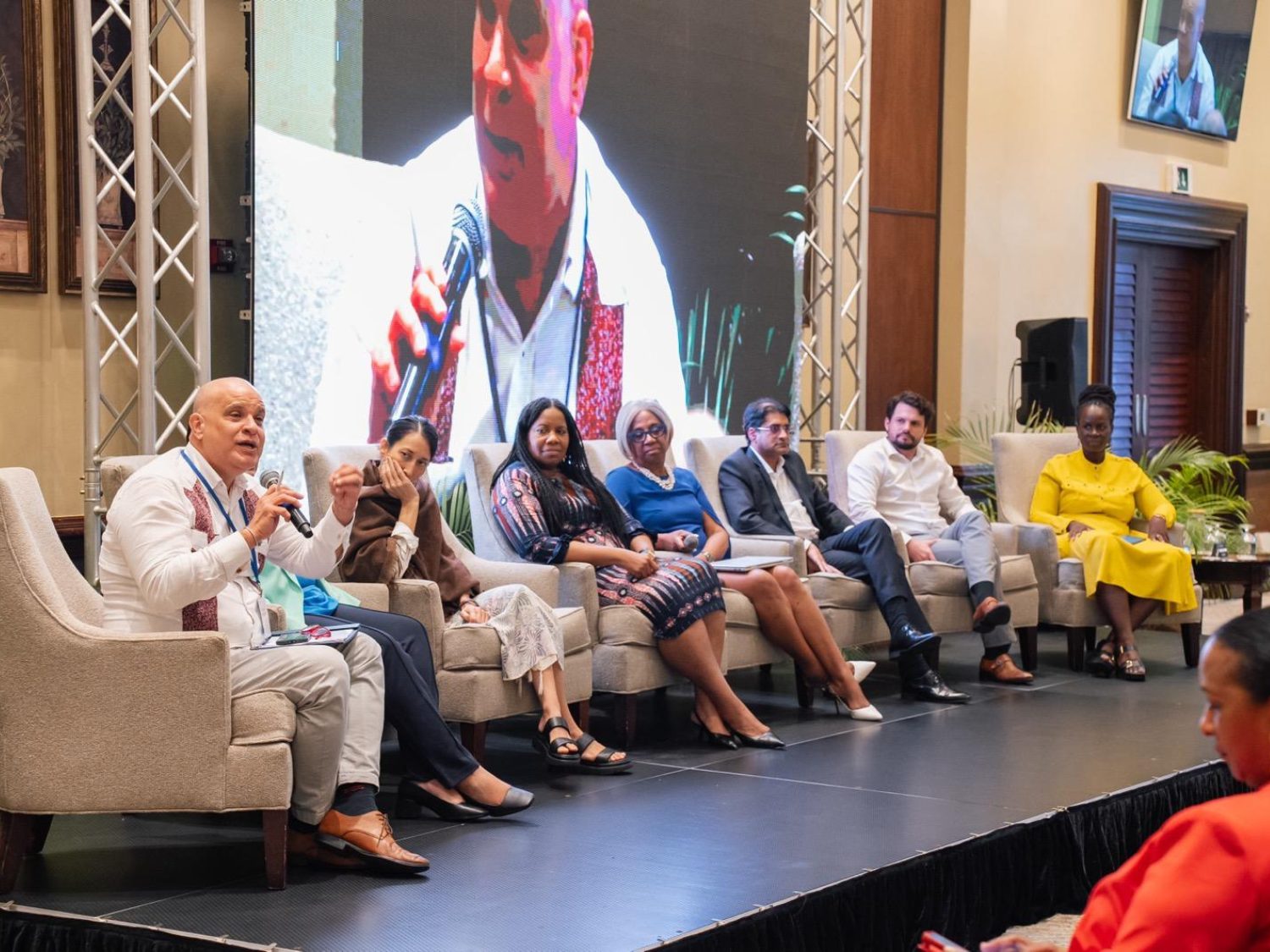
The 4th Small Island Developing States (SIDS) Conference: A Deep Dive into the 2024 SIDS Global Business Network Forum

From the crystal-clear waters of St. Johns, Antigua and Barbuda, the 4th Small Island Developing States (SIDS) Conference (SIDS4) set the stage for transformative dialogue and action, particularly through the 2024 SIDS Global Business Network Forum. This premier event, organized by the Office of the High Representative for the Least Developed Countries, Landlocked Developing Countries and Small Island Developing States (OHRLLS), served as a bridge connecting international private sector entities with SIDS to foster partnerships for the upcoming decade.

Forum Overview:

Held on May 25-26, 2024, just before the SIDS4, the SIDS Global Business Network Forum explored critical themes including community empowerment, blue-green growth, and creating an enabling business environment conducive to investment. The Forum’s outcomes were pivotal in shaping discussions during the dedicated private sector roundtable at SIDS4.

Background and Evolution:

The SIDS Global Business Network (SIDS-GBN), established in 2014 during the Third UN Conference on SIDS in Samoa, has continuously evolved. It initially focused on public-private partnerships in Aruba (2016), sustainable tourism in Mauritius (2018), and ocean partnerships in Palau (2022). This fourth Forum, convened under the SAMOA Pathway, provided an opportunity to review the Network’s first decade and integrate private sector perspectives into the new Programme of Action for SIDS.

Sessions Recap:

Session 1 – Sustainability: Unlocking Opportunities for Blue and Green Economies:

This session highlighted the necessity of accelerating sustainable development partnerships within SIDS. Emphasis was placed on the blue economy, stressing creativity and community engagement as vital components.

Session 2 – Inclusivity: Empowering Local Communities for Transformed Economies:

Panelists discussed rebranding beyond the “sun, sea, sand” narrative, advocating for economic diversification through creative industries, sports tourism, and digital economy integration. The focus was on empowering local communities to actively shape their futures and foster innovation.

Session 3 – Policy: Crafting an Enabling Business Environment:

The need for effective collaboration between governments and the private sector was underscored. Historical barriers to collaboration were acknowledged, with an optimistic outlook on emerging responsiveness and cooperative dynamics.

Session 4 – Funding: Securing Financing and Investment:

This session, which I had the honor of moderating, emphasized the creation of supportive ecosystems through collaboration, innovative financial solutions, and sustainable practices. Calls for actionable roadmaps and increased investment underscored the discussions.

At the closing of the SIDS-GBN António Guterres, UN Secretary-General urged businesses to align their practices with the SDGs, emphasizing climate action and innovative financing. “Together, let’s work to deliver a better, more resilient, more sustainable future for the people of small island, developing states. And together Let’s raise our voice for the reforms that are needed for a more fair and more effective international financial and economic system able to provide to the SIDS, the resources and the capacities they deserve, and they need”.

He also highlighted the Global Business Network’s role in supporting SIDS, promoting investment in blue and green sectors, and fostering economic diversification, particularly for women and youth.

SIDS4 Private Sector Roundtable

On the evening of May 28 at the SIDS4 conference, delegates gathered to hear the outcomes and recommendations for the SIDS-GBN. High-level remarks delivered at the opening included, among others:

Chet Greene, Minister for Trade, Commerce, Industry, Sports, Culture and National Festivals, Antigua and Barbuda:

Greene emphasized the private sector’s critical role in job creation, innovation, and supporting MSMEs. He stressed the importance of transitioning to a green economy and the private sector’s leadership in this endeavor.

Kerrie Symmonds, Minister of Foreign Affairs and Foreign Trade, Barbados:

Symmonds addressed the need for pragmatic financing solutions, including debt relief and innovative insurance mechanisms to support SIDS in the face of natural disasters. He also highlighted the critical role of technical capacity building in renewable energy and other sectors essential for SIDS’ resilience and growth.

Key Recommendations:

The key recommendations coming out of the SIDS-GBN were presented by Rabab Fatima, High Representative for OHRLLS at the SIDS4 Private Sector Roundtable.

Fatima reflected on the Network’s achievements over the past decade, highlighting the importance of leveraging private sector innovation for blue-green economics, empowering local communities, and creating an enabling business environment. She emphasized the need for enhanced financing mechanisms to support MSMEs and sustainable development initiatives. The recommendations included:

  1. Multi-Stakeholder Forum:
    Establish a forum to design blue-green development roadmaps, connect initiatives to funding, and engage local communities in discussions between innovators and investors. This forum would facilitate knowledge-sharing and project matchmaking.
  2. SIDS Development Fund:
    Create a fund for Public-Private-Community Partnerships aimed at MSME growth, community benefits (including women and youth), and ecosystem regeneration, focusing on enabling environments, capacity building, and finance blending.
  3. Enabling Business Environment:
    Develop frameworks to enhance access to knowledge, support local chambers of commerce, and organize regional events to connect governments and the private sector.
  4. New Investment Framework:
    Implement innovative solutions (like blockchain and AI) and regional approaches to increase capital efficiency and decrease transaction risks, fostering an environment conducive to investment in SIDS.

Conclusion:

The 2024 SIDS Global Business Network Forum was a beacon of hope and a catalyst for action, bringing together diverse stakeholders to forge partnerships and develop actionable strategies for sustainable development in SIDS. As we look towards the future, the private sector’s role in driving innovation, investment, and inclusive growth will be more critical than ever. The outcomes and recommendations from this Forum will undoubtedly shape the trajectory of SIDS’ development in the coming decade, ensuring that these vibrant communities can thrive sustainably amidst global challenges.
How to Build Resilient Supply Chain Modalities: A Business Perspective

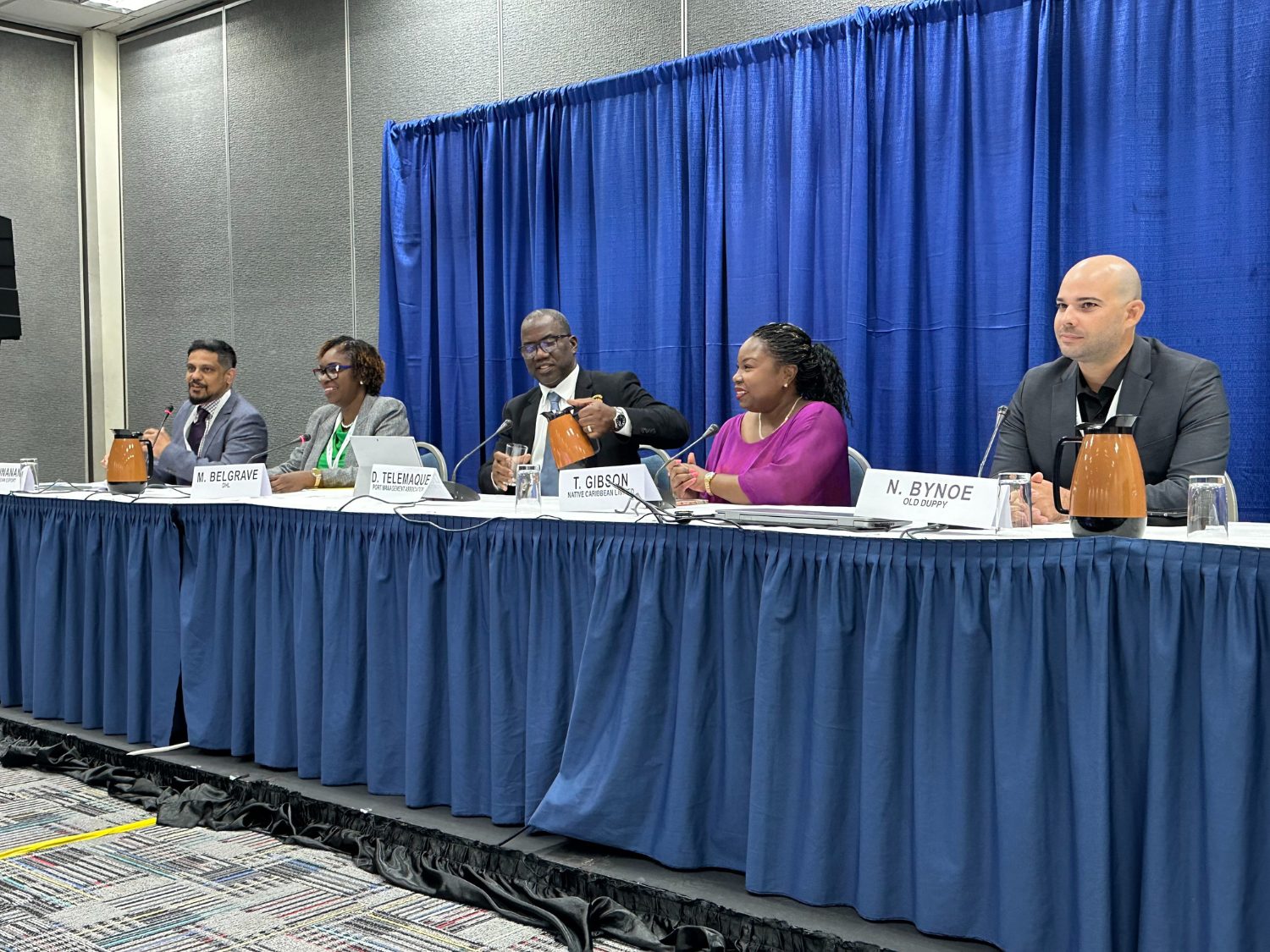
Logistics and transportation are fundamental to the Caribbean’s economic integration into global trade. They are essential for expanding market reach and reducing operational costs. The recent UNCTAD Global Supply Chain Forum in Barbados provided an opportunity to examine the challenges and opportunities within these sectors, which included a panel discussion, hosted by the Caribbean Export Development Agency, focusing on building resilient supply chains. Let’s delve into the key insights and takeaways from this event.

The Achilles Heel of Caribbean Logistics and the Transportation Sector

The Caribbean faces unique challenges in logistics and transportation, shaped by its geographic and economic conditions. The COVID-19 pandemic starkly exposed these vulnerabilities, highlighting the region’s heavy reliance on international trade and tourism. Moreover, the current global political landscape, with its geopolitical tensions and trade disputes, adds another layer of complexity to economic stability in the Caribbean.

Darwin Telemaque, CEO of the Antigua Port Authority, emphasized the urgent need to modernize port infrastructure. Inefficiencies such as outdated infrastructure, inadequate equipment, and bureaucratic hurdles significantly hamper the region’s logistics capabilities. Telemaque highlighted Barbados Port Inc.’s recent success in reducing costs by 17% through structural changes as a model for other ports. Modernizing these facilities is crucial for improving containerization and overall supply chain efficiency.

The Role of Technological Innovations and Strategic Investments

Strategic investments and technological innovations are essential for transforming the logistics and transportation sectors in the Caribbean. Embracing advanced shipping technologies and streamlining customs processes can significantly enhance infrastructural efficiency and sustainability. Telemaque’s call for modernizing port infrastructure underscores the importance of such investments. Implementing automated systems and upgrading port equipment can reduce operational costs and boost productivity, positioning the Caribbean to compete more effectively within the global market.

Michelle Belgrave, Customs and Trade Compliance Director for DHL Express Caribbean, highlighted the importance of comprehensive policy frameworks and stakeholder participation in facilitating smoother export processes. She emphasized the necessity for SMEs to understand the Harmonized System (HS) code for customs and compliance, which DHL assists with, ensuring seamless shipping. Programs like DHL’s SheTrades, aimed at helping women entrepreneurs in Barbados, are crucial for fostering technological adoption and innovation among SMEs.

The Vital Role of SMEs in the Caribbean Economy
Small and medium-sized enterprises (SMEs) are the backbone of the Caribbean economy, making up 99.5% of businesses in the region. Yet, only 10% of these SMEs export their products, which shows there’s plenty of room for growth. Belgrave emphasized the critical role of SMEs and the need for enhanced support to improve their export capabilities. Streamlined export processes, facilitated by comprehensive policy frameworks and technological assistance, can help SMEs overcome barriers to international trade.

Tamara Gibson, Managing Director of Native Caribbean Limited, shared her experience of growing her business by 247% despite the challenges posed by the pandemic. She highlighted the high costs of exporting, especially for small products where shipping costs often exceed product costs. Involving micro businesses in policy discussions and creating opportunities for bulk shipping are essential strategies for reducing costs and enhancing the global competitiveness of Caribbean SMEs. Nicholas Bynoe, Owner of Old Duppy Foods Inc, echoed the same sentiments as he highlighted the challenges of high shipping costs and maintaining consistent raw material supply, emphasizing the importance of building legitimacy for Caribbean brands in international markets.

What is the takeaway?

Building resilient supply chains is crucial for the Caribbean’s future prosperity. Addressing the challenges in our logistics and transportation sectors through technological innovations and strategic investments can boost economic growth and job security. The insights from the UNCTAD Global Supply Chain Forum provide a clear roadmap for developing a robust logistics framework that supports sustainable economic activities. By modernizing infrastructure and supporting SMEs, the Caribbean can better integrate into the global economy and achieve long-term economic stability

Guyana’s Sustainable Energy Drive: Paving the Path to Energy Security

Guyana stands on the cusp of a transformative energy revolution, harnessing its natural resources to propel itself towards a sustainable future. As the global community shifts towards renewable energy, Guyana’s strategic focus on sustainable solutions not only ensures energy security but also paves the way for economic growth and environmental stewardship.

In the heart of this transformation lies the upcoming Caribbean Investment Forum (CIF), a pivotal gathering slated for July 10-12, 2024, in Georgetown. This event serves as a beacon for global investors and businesses seeking opportunities in Guyana’s thriving energy sector.

With estimated reserves surpassing 10 billion barrels of oil and 15 trillion cubic feet of gas, Guyana’s recent oil boom has created substantial revenue streams. However, rather than falling prey to the “oil curse,” the nation is steering towards inclusive and resilient energy strategies.

Central to Guyana’s vision is the commitment to ensure that the benefits of the energy sector are equitably distributed among its citizens. A cornerstone of this approach is the drive towards energy security, underpinned by strategic investments in sustainable energy projects.

Leading the charge is the Gas-to-Energy project, a transformative initiative aimed at harnessing natural gas from offshore reserves to fuel electricity generation. By establishing an integrated processing facility, Guyana seeks to reduce reliance on imported energy, stabilize the national grid, and lower electricity costs for consumers.

Complementing this effort is the Hinterland Electrification Programme, targeting energy security in remote communities. Through infrastructure upgrades and grid expansions, Guyana aims to extend reliable power access to every corner of the nation, employing cost-effective and sustainable technologies.

Furthermore, Guyana is diversifying its energy mix with investments in hydro, solar, wind, and biomass technologies. These projects not only mitigate environmental impact but also ensure consistent and affordable energy supply, enhancing economic competitiveness and fostering growth.

In parallel, Guyana is modernizing its legal and regulatory frameworks to promote transparency, accountability, and ethical practices in the energy sector. Mandatory environmental assessments underscore the nation’s commitment to sustainability and preservation.

Legislation such as the Local Content Act further reinforces Guyana’s dedication to fostering local participation and safeguarding citizens’ interests in the energy industry.

Foreign investors and global enterprises are invited to participate in Guyana’s sustainable energy drive, offering expertise and resources to accelerate the transition towards a resilient and inclusive energy landscape.

The Caribbean Investment Forum (CIF) in Georgetown presents an unparalleled opportunity to explore Guyana’s sustainable energy initiatives. Attendees can engage in B2B sessions, gain insights into vetted projects, and discover investment opportunities in Guyana’s thriving energy sector.

As Guyana embarks on this transformative journey towards energy security through sustainable means, it invites the world to join hands in building a brighter and more sustainable future for generations to come.